
Writer:
Yijie Su, Doctoral researcher, Aalto University
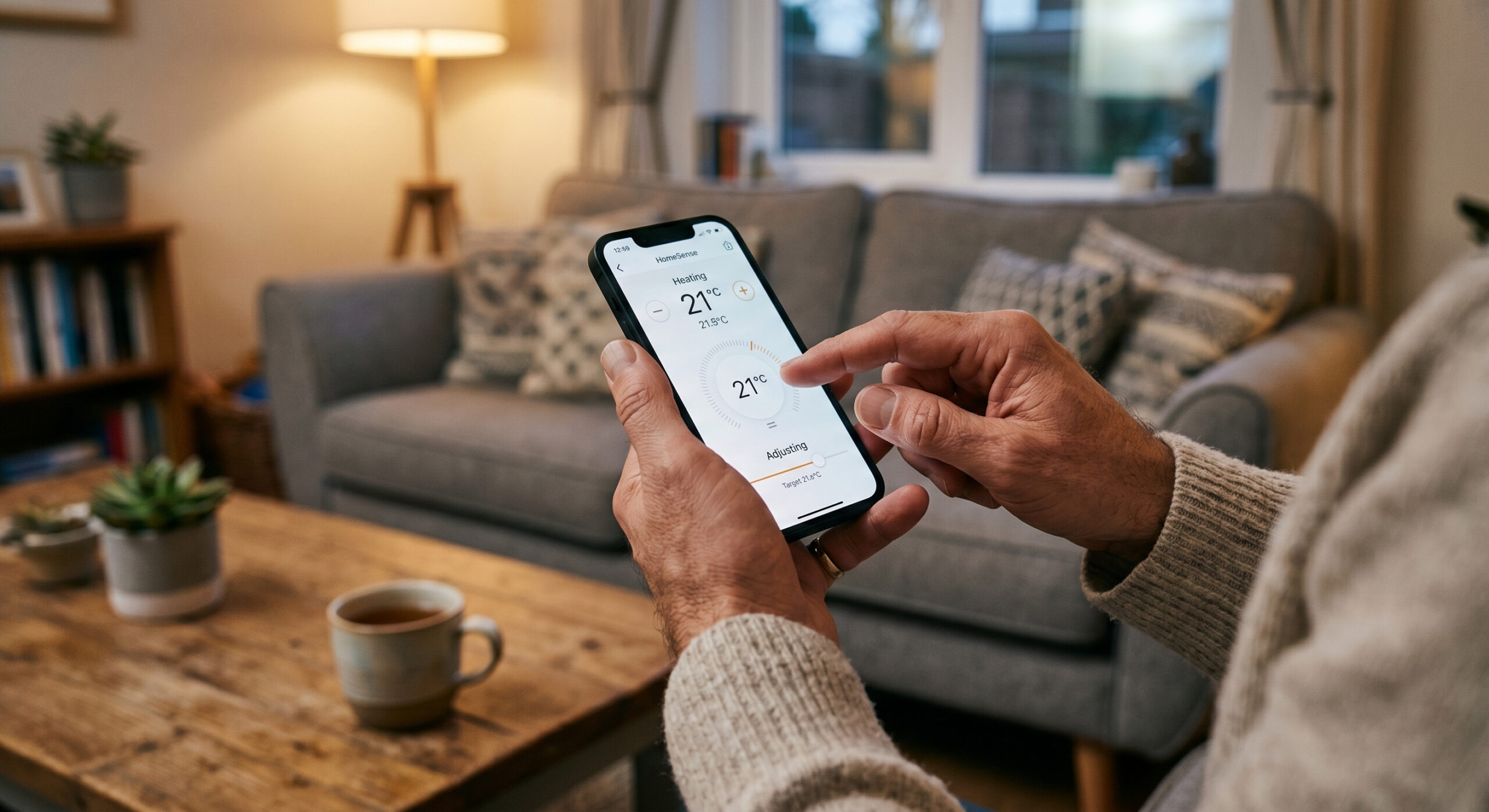
With increasingly volatile electricity prices, consumers are looking for ways to manage their energy costs. Companies are increasingly offering products and services that help consumers use electricity more efficiently and flexibly. These demand-side management (DSM) solutions can help consumers manage their electricity use and reduce energy costs, while also supporting grid stability.
But do these solutions offer what consumers actually value? Beyond potential cost savings, consumers may also consider how easy the existing DSM solutions are to use, whether they trust the companies providing them, and what benefits the solutions offer. Understanding these preferences is essential for developing services that consumers want to adopt.
A recent study from Aalto University [1], conducted as part of the Flaire project, the attractiveness of different DSM companies and business models from a consumer perspective in Finland. By comparing their business models with findings from previous consumer studies, the research explored how well these offerings align with consumer preferences and what makes them attractive to potential users.
What matters to consumers?
Many studies use household surveys to examine consumers’ preferences and their willingness to adopt DSM technologies. By reviewing these survey-based studies, this paper found that the two factors most frequently identified as influence consumers are perceived usefulness (the extent to which a task is perceived as being enhanced by the technology) and perceived ease of use (the extent to which using the technology is perceived as requiring little effort).
Other factors, such as how DSM technologies can contribute to solving environmental problems (environmental awareness), are also becoming increasingly important when consumers decide whether to adopt these technologies, particularly in Europe compared with other regions. Privacy concerns are also important to consumers, as DSM technologies may need to collect and use personal data to provide their services. This can also affect whether consumers trust the technologies and the companies providing them.
The benefit DSM technologies can provide such as financial savings are also important. However, evidence from more recent studies suggests that these monetary benefits are not always the dominant factors influencing consumers’ adoption decisions.
What makes a business model attractive to consumers?
The paper analyzed over 20 companies currently providing DSM solutions in Finland. Their business models can be broadly divided into two main categories: service-oriented and product-oriented.
Service-oriented companies include software providers that offer solutions through mobile applications or digital services through web-based interfaces. They typically generate revenue through monthly subscription fees. This category also includes traditional energy utilities that provide physical installation services. On the other hand, product-oriented companies mainly generate revenue from selling DSM products. These products range from smaller devices, such as smart thermostats, to larger equipment, such as smart heat pumps. They also include central smart hubs that can control multiple household appliances as part of a smart home energy management system.
By aligning these business models with the factors found to influence consumers’ adoption decisions, the paper scored each company and business model to evaluate their performance and assess their attractiveness from a consumer perspective.
Among service-oriented business models, software providers showed particularly high attractiveness. They add value by providing the interfaces needed to make DSM products functional, making existing devices smarter and able to respond to changes in electricity prices, typically without requiring a subscription fee during the trial period. Product-oriented business models generally performed better than service-oriented models, as they tend to provide more automated functions that reduce the effort consumers need to make. In contrast, some companies mainly provide information to guide consumers in shifting their energy use. These solutions require more manual involvement and may therefore be less attractive to consumers.
How can companies make DSM solutions more attractive?
To accelerate DSM technology adoption, companies should not only focus on improving the functions of their products or services to help consumers save more but also consider the overall user experience. The solutions should be easy to use, even for less tech-savvy consumers. Privacy and trust concerns also need to be addressed.
Financial savings remain important, but consumers may also value environmental benefits and the contribution of flexible electricity use to the energy system. Making these benefits visible and easy to understand can help consumers better recognize the value of adopting DSM technologies.
More recently, business models have increasingly combined products and services to better meet consumers’ needs and preferences. Such ongoing business model innovation will be essential to ensure that DSM technologies remain attractive to consumers and competitive in the market, while also supporting the broader energy transition and sustainability goals.
References:
- Y. Su & I. Keppo. (2026). A consumer-centric evaluation of the attractiveness of demand-side management technologies and business models. Energy Efficiency.
13.10.2026.
 English
  Finnish